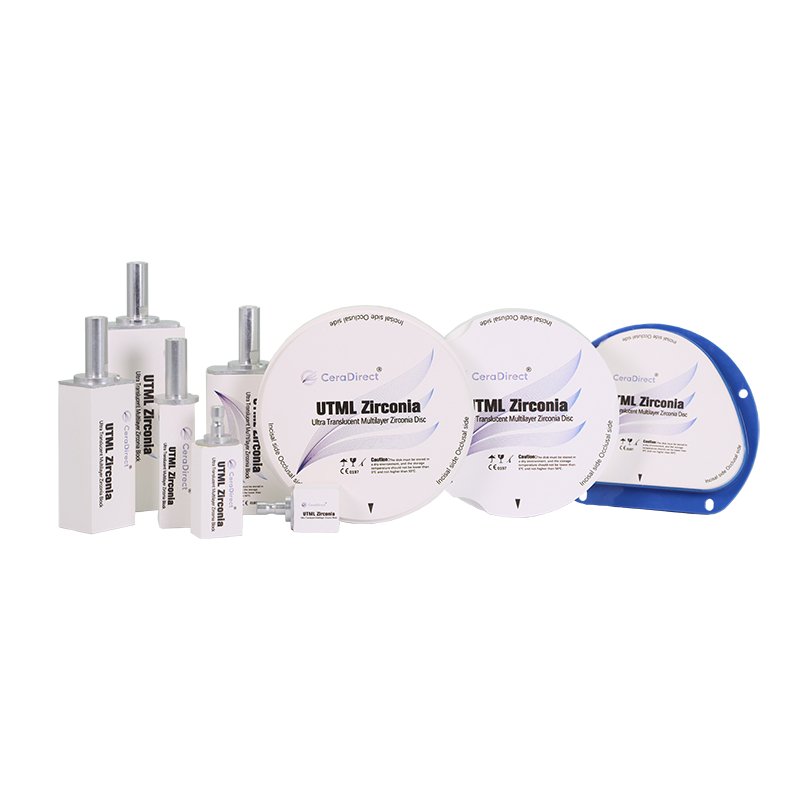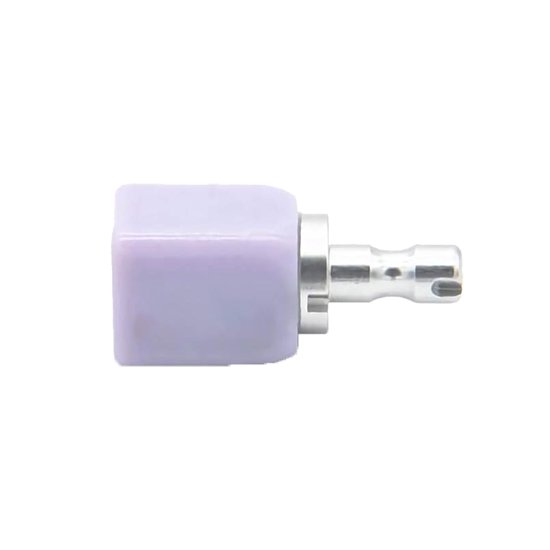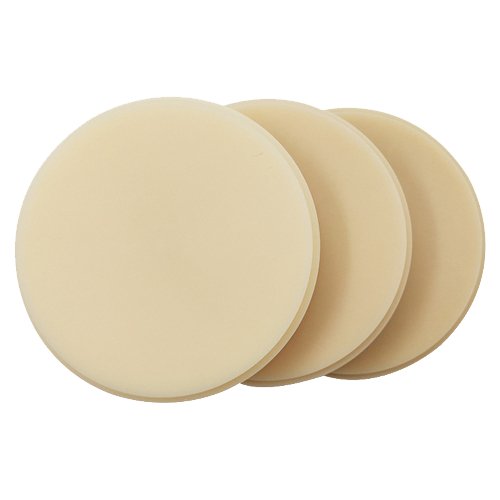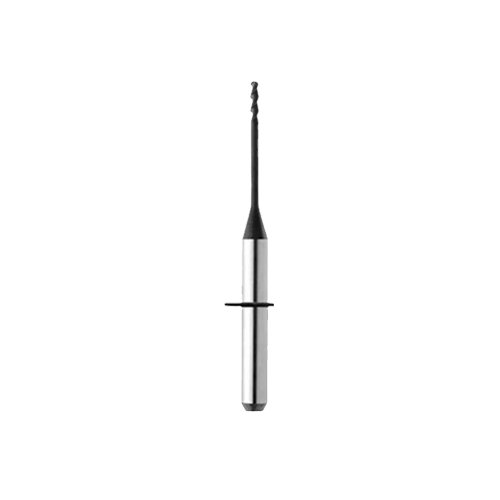
Material selection is paramount in anterior aesthetic restoration. Monolithic zirconia, lithium disilicate glass ceramics, and Hybrid ceramics constitute the current "three pillars" of aesthetic dentistry. This article will provide a detailed analysis of their characteristics from four dimensions: strength, aesthetics, tooth preparation requirements, and clinical efficiency, offering clear guidance for clinicians in developing personalized restoration plans.
Anterior restoration demands not only lasting function but also naturally lifelike aesthetic outcomes. Striking a balance between high strength, superior aesthetics, and minimal invasiveness is the core challenge faced by clinicians.
I. The King of Strength: The Evolution and Challenges of Monolithic Zirconia
Zirconia is renowned for its exceptional flexural strength (exceeding 1000 MPa), making it the dominant choice for posterior regions and implant prostheses. Recent technological advancements have significantly enhanced its aesthetic properties:
-
Multilayer Biomimetic Zirconia: Utilizes gradient coloring and sintering techniques to achieve a natural transition in color and translucency from the cervical to the incisal area, overcoming the "chalky white" limitation of traditional zirconia.
-
High-Translucency Zirconia: Through optimization of the crystal structure, translucency is markedly improved while maintaining relatively high strength, making it suitable for some anterior single crowns.
Indications and Considerations:
-
Suitable for: Anterior areas with tight occlusion and high load (e.g., edge-to-edge bite); cases requiring high opacity to mask deeply discolored abutment teeth; implant-supported single crowns or bridges.
-
Challenges: Despite aesthetic improvements, its wear effect on opposing natural teeth still requires attention, and its translucency and layered characterization still lag behind top-tier glass ceramics. It demands high bonding technique proficiency and requires specific adhesive systems.
II. The Aesthetic Paradigm: The Balanced Approach of Lithium Disilicate Glass Ceramics
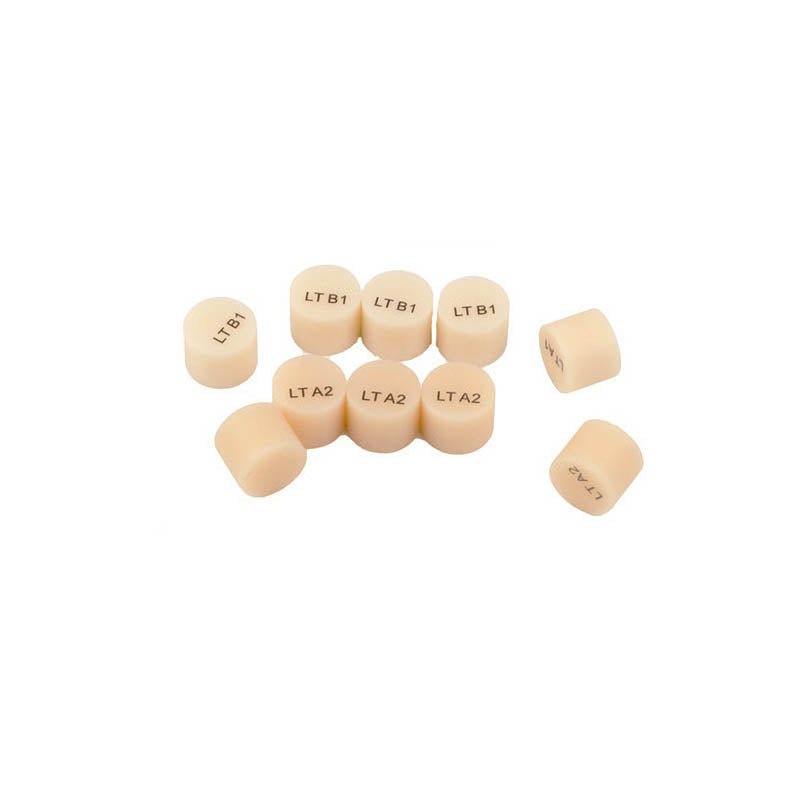
Lithium disilicate glass ceramics (e.g., the classic IPS e.max) achieve a near-perfect balance between strength (~400 MPa) and aesthetics.
-
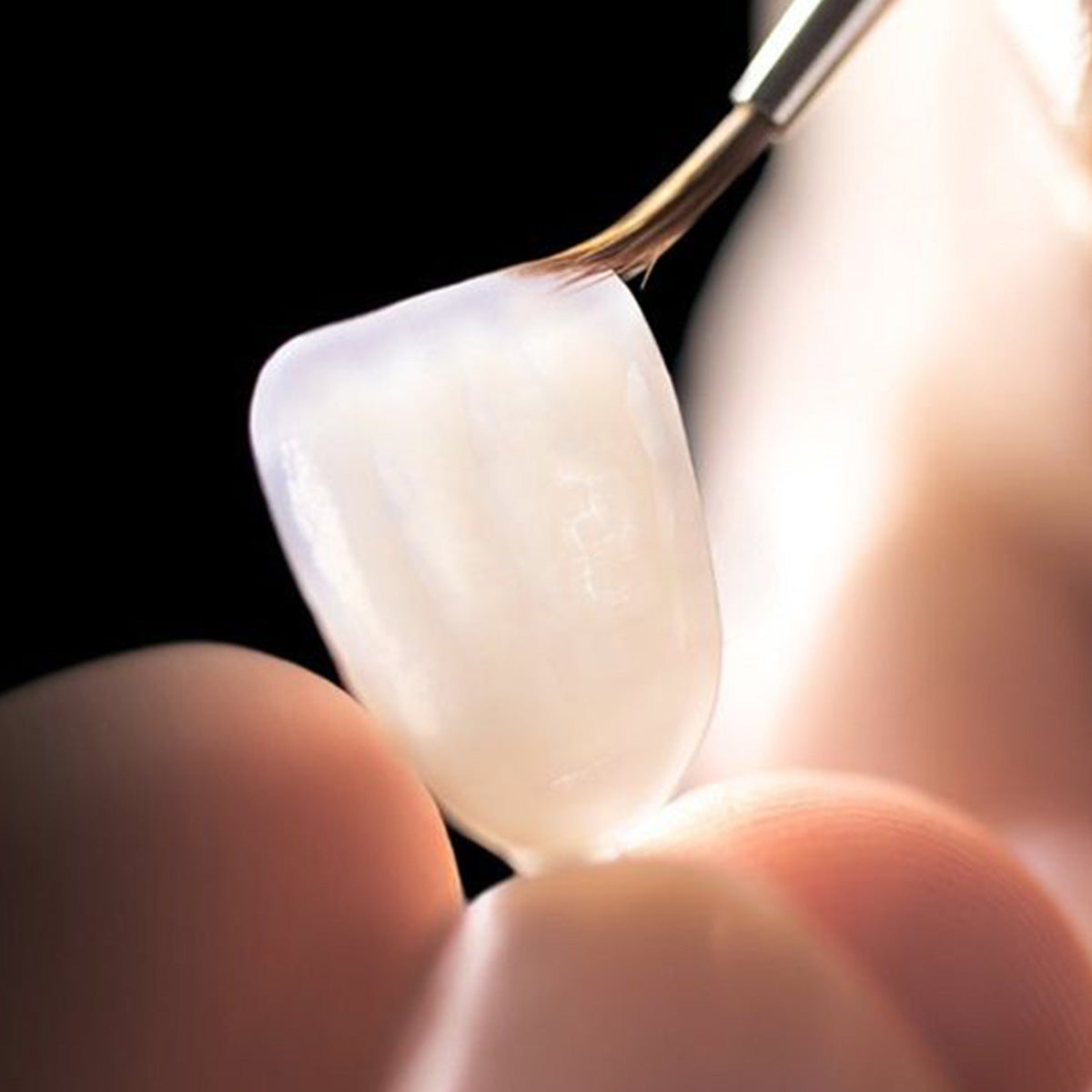
Ultimate Aesthetics: Its glass matrix grants optical properties (translucency, opalescence, fluorescence) extremely close to those of natural tooth enamel, enabling exceptionally realistic biomimetic results.
-
Excellent Biocompatibility and Bonding Performance: Can form a strong, durable chemical and micro-mechanical bond with resin cement via hydrofluoric acid etching and silane coupling agents – the cornerstone of its long-term success.
Indications and Considerations:
-
Suitable for: The material of choice for anterior veneers, inlays, onlays, and single crowns; cases with extremely high aesthetic demands.
-
Challenges: While strong, it is not suitable for long-span fixed bridges. It has specific requirements for tooth preparation volume to ensure sufficient restoration thickness (typically veneers ≥ 0.3mm, crowns ≥ 1.0mm).
III. The Tool for Minimally Invasive and Provisional Solutions: The Versatile Role of Hybrid Ceramics
Hybrid ceramics are essentially high-performance PMMA-based materials fabricated by CAD/CAM milling or 3D printing.
-
Core Advantages: Excellent resilience, low abrasiveness (kind to antagonist teeth), rapid fabrication, and relatively low cost.
Clinical Roles:
-
Long-Term Provisional Restoration: Far superior in performance to traditional self-curing resins, suitable for complex provisional crowns and implant provisional restorations lasting several months, perfectly guiding gingival contouring.
-
Minimally Invasive Restoration: Used as pontics for resin-bonded bridges, where their flexibility provides stress buffering; also suitable as occlusal splint restorations for patients with bruxism.
-
Diagnostic Mock-up: Allows patients to preview the proposed shape and effect of the final restoration, facilitating effective communication and reducing treatment risks.
There is no single "best" material, only the "most suitable" plan.
-
For ultimate strength and masking ability, choose Zirconia.
-
For peak aesthetics and durable bonding, choose Lithium Disilicate Glass Ceramics.
-
For achieving minimally invasive restorations, gingival guidance, or diagnostic previews, Hybrid Ceramics are an indispensable partner.